Heroin addiction is a critical issue that must be addressed. If you're worried about a friend or family member who might have a heroin addiction, it's in your best interest to learn as much as you can about the drug and what to do if you suspect that they're misusing it. You'll learn about heroin addiction in the next paragraphs. Information has the potential to prevent tragedy.
What Exactly Is Heroin?
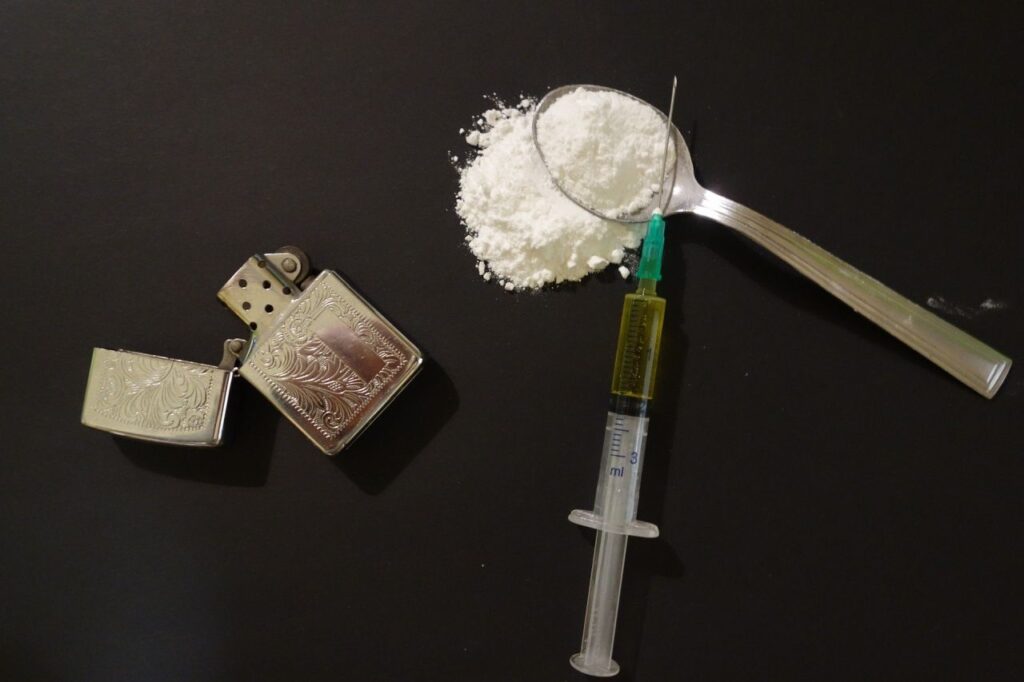
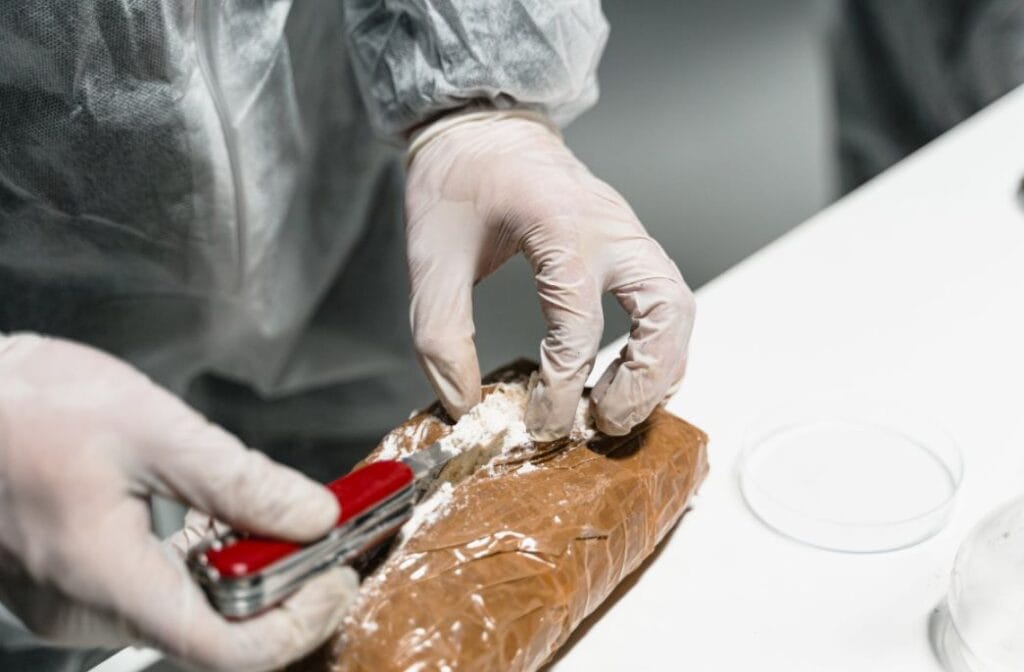
To produce heroin, farmers harvest the opium poppy, a flower found in Mexico, Asia, and South America. This flower is the source of heroin. The United States government has made possession and selling illegal since 1924 due of the great risk for addiction. A white or brown powder, or a sticky black "tar," could be its outward appearance. Many different names, including "brown sugar," "horse," and "smack," refer to this substance.
The opium poppy is the source of morphine, which is then synthesised into heroin. It can also be injected or smelled instead of smoked. Heroin addiction is an illness that manifests itself in physiological and behavioural changes as a direct result of repeated use of heroin. Opioid use disorder is a another name for this problem.
How Heroin Is Typically Consumed?
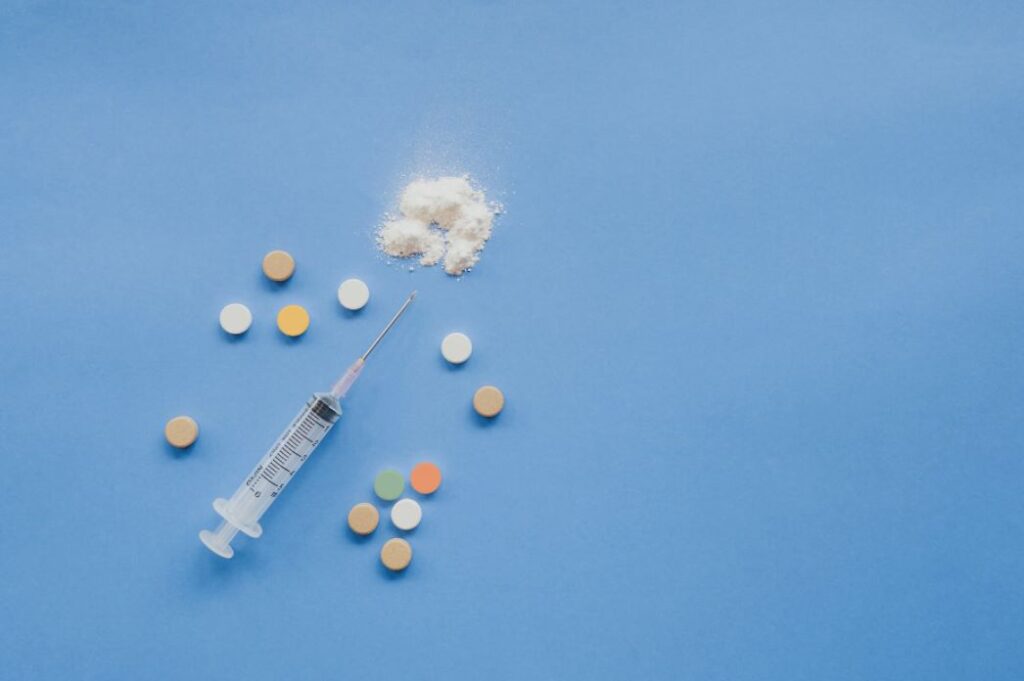
Users typically inhale or nasally inject heroin. A large percentage of users inject the drug into their veins. This method makes it far less difficult to take too much, and it also increases the danger of infection from the use of a needle that has not been adequately sterilised.
If heroin is injected into the veins, it will reach the brain far faster than if it were snorted. Unfortunately, it's equally straightforward to become dependent on it. It's not easy to limit your use to once or twice and then stop after you've gotten used to it. Study what makes heroin so addicting.
Heroin addicts report feeling an overwhelming surge of pleasant feelings and joy. When that happened, hours seemed to stretch on indefinitely. You take things in a methodical, intentional manner, both physically and mentally. Many individuals have commented on the dreamlike quality of their experience.
Heroin reduces blood pressure, slows your breathing, and blocks your body's ability to register pain. Too much of the medicine might cause the user to cease breathing, which can lead to death. People who are dealing with stress, anxiety, and worry often turn to heroin use as a means of relief. Seventy-five percent of users, according to one research, suffered from mental health problems like depression, ADHD, or bipolar disorder.
This article will help you make a decision about Rehab Treatment Melbourne fees for different treatments.
What Are The Roots of Heroin Dependence?
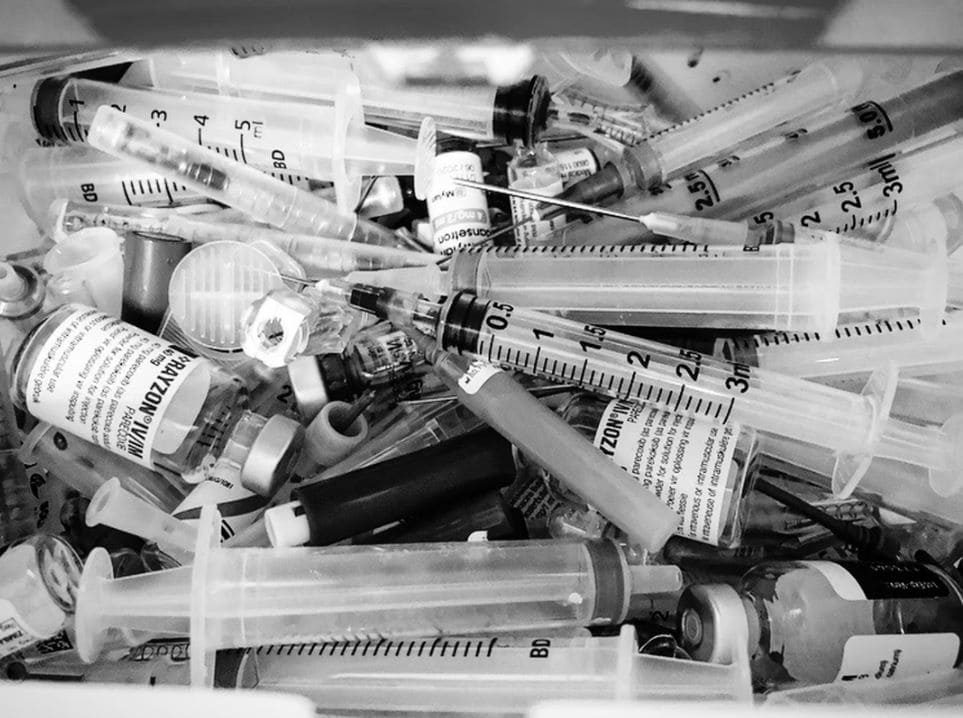
Heroin is highly addicting. It's an opioid, therefore it triggers the release of dopamine when it attaches to the appropriate brain receptors. Unfortunately, this relief is only fleeting, leaving some drug users craving more of that initial "wonderful" feeling.
When someone takes opioids regularly, their brain stops manufacturing its own dopamine in the same manner it did before.
Opioid use disorder can develop after first use of legal medicines, such as painkillers provided after surgery or an injury. As with heroin, these analgesics work by blocking pain signals.
If a person becomes dependent on these medicines and is subsequently unable to access them, they may turn to illicit substances like heroin in an attempt to replicate the euphoric effects.
While some people who become dependent on prescription pain relievers or recreational narcotics are unable to break their habit, this is not the case for everyone. Therefore, who is most likely to develop a heroin addiction?
Anyone who uses opioids runs the risk of developing opioid use disorder, which is another term for addiction. Addiction is not selective. Although it's impossible to know for sure who will develop an opioid use problem, there are some people who are more likely to become addicted to drugs than others.
The Mayo Clinic identifies the following as potential contributors to this health risk:
- an individual's or a family member's history of alcoholism, drug abuse, or compulsive gambling; or chronic tobacco use
- severe sadness, anxiety, unemployment, or contact with high-risk individuals or settings; a history of risk-taking behaviours
Remember that just because you or someone you care about has some of these risk factors does not guarantee that they will definitely develop a substance use disorder. Addiction is a complex disease with numerous underlying causes. Some combination of genetics, environment, and/or psychology is likely.
Are you looking for the best rehab centre? Then Refocus Rehab Melbourne is the answer.
What Are The Signs That Someone Is Addicted To Heroin?
However, in the early phases of opioid use disorder, there may be no symptoms at all if the person is taking extensive measures to conceal their drug use. As rates of consumption increase, it may become harder to hide consumption. The following are some symptoms that may indicate heroin use:
- anxiety or fatigue could be present.
- speech that is difficult to understand
- decreased and narrowed pupil size
- depression
- issue remembering
- puncture wounds (if injecting the drug)
- stuffy or painful nose (if snorting the drug)
- constipation
- diminishing perception of pain
Other indications of possible heroin use include the following:
- changes in one's appearance, such as a decline in grooming habits, or in one's personal hygiene, or in one's behaviour, such as an outburst of hostility or a sudden desire for privacy, are all examples
- Issues at school or job, possibly harmful behaviour, and/or a loss of money or a sudden, unexpected need for more money are all examples of financial difficulties.
When a person repeatedly tries to stop taking a substance despite knowing it's bad for them or when they already realise the harm they're causing themselves, it's a red flag that they may have an addiction.
It's possible for heroin users to develop tolerance, a condition in which they require ever-increasing amounts of the drug to experience the same pleasure they once had from taking a smaller amount.
Frequently Asked Questions
Both patients remarked that the heroin "reeked of vanilla." Both individuals reported experiencing palpitations, chest pain, and shortness of breath within the first 15 minutes after being exposed.
There are a number of factors that can lead to hypokalemia, one of which is substance abuse. Hypokalemia and muscle weakness were observed in a patient who had recently stopped using cocaine and heroin.
Alterations in personality and behaviour, such as a lack of motivation, irritability, and agitation are common symptoms of bipolar disorder. I had bloodshot eyes and a bloody nose almost constantly. tremors, shaking, or slurred speech may be present. Alterations made to their normal practises.
People who have a history of heroin addiction are at a higher risk of developing kidney, liver, or heart disease as a direct result of their drug use. Heroin users also suffer from a compromised immune system. As a consequence of this, they might suffer from recurrent infections because their immune system is unable to successfully combat bacteria.
Heroin often contains additives that can thicken the blood and clog blood vessels, including arteries and veins. Can result in heart attacks, strokes, and permanent damage to organs if left untreated. Certain additives are lethal and can cause a person's death in a matter of minutes. Without conducting any tests, it is next to impossible to determine what has been mixed in with the heroin. Heroin and other illegal drugs may be cut with other harmful substances that are not discovered until after a terrible incident has occurred.
Heroin use during pregnancy is associated with low birth weight in the infant. When a mother uses heroin while she is pregnant, there is a chance that the baby will be born with a physical dependency on the drug. If something like this occurs, there is a chance that the baby will develop neonatal abstinence syndrome. After giving birth, they will be required to go through withdrawal and detoxification processes.
The condition known as opioid use disorder is very serious, but it is treatable. The effects of addiction do not have to be long-lasting or even permanent. There is assistance available, and it is not impossible to get better.
What Kinds Of Side Effects Does Heroin Have?
Heroin's short-term effects include the following:
- Euphoria
- A mouth that is dry
- Skin that is red and hot
- Arms and legs that have a heaviness to them
- gastrointestinal distress and puking
- Itching
- A fuzzy brain
- Alternating between states of sleepiness and alertness (this is often called being "on the nod")
Heroin use over a prolonged period of time can cause:
- Veins that have collapsed
- Insomnia
- Infections of the lining of your heart and the valves of your heart
- Abscesses and cellulitis are examples of skin infections.
- There is a greater possibility of contracting HIV/AIDS, hepatitis B, and hepatitis C.
- Diseases of the liver and kidneys
- Mental disorders
- Lung diseases like pneumonia and tuberculosis
- Menstrual problems and miscarriage
Addiction to Heroin and Withdrawal Symptoms
When ingested, heroin can cause severe addiction. Many people who experiment with it become physically dependent on it. Multiple health problems, disabilities, and interpersonal difficulties (at home, at work, and in the classroom) are all possible outcomes.
Tolerance to heroin's effects can develop with repeated use. While this may be true, it doesn't mean it won't still cause you harm. This indicates that increasing doses are required for the same effect. In time, your very health will depend on it. Then, after stopping use, withdrawal symptoms emerge, some of which may include:
- Chills
- Symptoms include nausea, vomiting, and loose stools.
- Ache in the muscles and the bones
- Trouble sleeping
- Flashes of coldness
- Rhythmic movements of the legs that you are unable to control
How Do Doctors Determine If Someone Is Addicted to Heroin?
Opioid use disorder, like any other substance use disorder, may only be diagnosed after a thorough examination and evaluation by a licenced mental health professional. A drug and alcohol counsellor in good standing in their state's regulatory system may be the one to make the determination.
A battery of tests is typically performed. There will be a clinical interview and any necessary lab tests (such as a blood or urine test) will also be included.
If you or a loved one is having difficulty deciding whether or not they have a heroin addiction, it is best to consult a professional. A mental health expert, such as a licenced drug or alcohol counsellor, social worker, doctor, or psychiatrist, may be needed in these situations.
What kind of treatment is there for heroin addiction?
The best course of treatment for you can be determined with the help of your healthcare professionals. Treatment is likely to include both medication and behavioural therapy. Medication-assisted treatment (MAT) is widely regarded as the "gold standard" of care for heroin addicts by experts in the field.
Medications can help you wean off heroin and minimise cravings. By connecting to brain cells called opioid receptors, buprenorphine and methadone produce effects similar to those of heroin. These drugs are safer and last longer than heroin while providing similar effects. Naltrexone inhibits opioid receptors, preventing the effects of opioids like Heroin. Making use of them a chore rather than a pleasure is the result.
No drug addiction treatment, including heroin addiction, is a "magic bullet." Instead, there are effective treatments that can aid in a full recovery. The particular methods of treatment most frequently employed are determined by:
- The person who is using the substance
- Any preexisting medical conditions
- And the conditions
Numerous methods exist for dealing with opioid addiction. Better outcomes are often achieved when many therapy methods are employed simultaneously. Primary treatments for opioid use disorder include pharmacological (medical) and behavioural methods.
Pharmacological Treatment
A number of unpleasant physical symptoms, known as withdrawal, can occur when someone who is physiologically dependent on an opioid, such as heroin, abruptly stops using the substance. Some of these symptoms could be life-threatening. To wit:
- Nausea
- Vomiting
- Spain
- Diarrhoea
Detoxing from heroin can be incredibly difficult due to the physical discomfort and acute drug cravings that may arise. Because of this, some people try heroin to ease the pain of withdrawal and detox. As a result, the likelihood of relapsing into heroin use during detox is diminished by the availability of medication that can alleviate both cravings and physical withdrawal symptoms.
In practically every treatment programme, detoxification is the initial step. The success of following treatment is compromised if detox is not completed due to physical limitations. The detox process must be carried out under a doctor's watchful eye to prevent any unwanted side effects. Detoxification from substances may be advised by your doctor.
Treatment Based on Behaviour
Behavioral therapy can be part of the treatment approach in both outpatient and inpatient settings. Furthermore, it may involve:
- One-on-one psychotherapy
- Outcomes Management in Group Therapy
A person may benefit from behavioural therapy in the following ways:
- Determine what may have led to drug use in the past
- It is important to plan for relapse and practise coping skills in order to be ready to resist temptation when it arises.
- Figure out the source of your emotional distress and take appropriate action to alleviate it.
The Dangers Of Heroin

Most people are aware that heroin is considered one of the most deadly drugs because of its reputation for being highly addicted. The medicine poses immediate and long-term risks, some of which are lethal, in addition to the risks already mentioned. Those who use heroin injecting it greatly increase their risk of developing infections such as hepatitis or HIV.
See our list of available Rehabilitation Programmes to help you make an informed decision for your treatment.
It's common practise for heroin addicts to inject the drug directly into their veins, and when they do, they often share needles, increasing the likelihood that they will catch a blood-borne illness. It's possible that increased infection rates are linked to the unsafe sexual behaviour of heroin addicts. It's more likely that pregnant women will get an abortion if they go it alone.
Even if they don't actually kill themselves, heroin addicts have a much higher risk of dying by suicide. Some people choose to terminate their lives by taking an intentional overdose of medication. Heroin addicts who additionally struggle with mental health issues like depression or bipolar illness are more likely to take their own lives.
It's not unusual for someone going through withdrawal to become so depressed that they try to take their own life. But if you or a loved one are fighting heroin addiction, there is help. Get in touch with a treatment centre if you have any inquiries concerning the rehab procedure.
The following are some further symptoms of heroin abuse or dependence:
- Depression
- Constipation
- slurred or jumbled speech
- Paranoia
- Uneasy and shallow breaths
- Veins that have collapsed
- Itchiness of a severe nature
- sickness and throwing up
Over time, heroin use is linked to increasingly devastating consequences. The longer someone uses heroin, the more likely they are to experience negative effects on their immune system and other internal organs. Both communicable diseases and diseases not spread by direct touch are more likely to strike. Heart, lung, and liver problems are all possible outcomes of chronic heroin abuse.
Overdosing on heroin is possible due to the drug's depressant effects on both respiration and heart rate. An overdose doesn't have to be lethal to produce unconsciousness or brain damage.
Heroin Overdose
If you think someone is overdosing, act quickly to help them. Urgent need for medical intervention right away.
Naloxone is a medicine that, if provided rapidly, has the potential to reverse the consequences of an overdose induced by heroin. As a result, a lot of times EMTs will attempt it on their own. The medication can be purchased as a nasal spray or auto-pen (Evzio) for precise dosing (Narcan). In some places, a prescription for Narcan is not necessary in order to acquire the medicine. Instead, you can obtain it from nearby resources or a pharmacy chain.
The Need for Intervention Regarding Heroin
Most heroin users don't seek treatment because they fear ridicule. This may be because people who are just starting to develop an addiction do not recognise that they have a problem with their drug use. Those with a serious heroin addiction, on the other hand, may have tried to quit several times but given up because they thought it was hopeless each time. One of the best methods to get someone to get treatment when they need it is to stage an intervention.
What You Should Do If You Suspect That Someone You Know Is Using Heroin?
Someone who is using heroin might not appear to be "high." Their drowsiness could be fooling you. Substance abuse is nearly never admitted to by those who suffer from addiction. If you suspect a loved one or acquaintance is abusing heroin, you shouldn't wait for things to improve before taking action. We need to move quickly. It's in the individual's best interest to get help as soon as possible.
Alterations to One's Way of Life Due to Heroin Dependence
Identifying heroin addiction symptoms can be challenging at first. On the other side, as addiction takes over the user's life, it becomes increasingly visible over time. For a heroin addict, for example, getting their hands on their next fix may seem more important than anything else.
Changes in behaviour and manner of life are common among those who use heroin. Most heroin addicts will wear long sleeves, especially on hot days, to hide the scars left by the needles they use. Both their professional and personal connections could be negatively impacted as a direct result of this. Addicts frequently withdraw from friends and family and from life in general.
It's possible that heroin users have trouble maintaining a healthy lifestyle and clean appearance.
Conclusion
Heroin addicts report feeling an overwhelming surge of pleasant feelings and joy. Opioid use disorder is a another name for this problem. It's not easy to limit your use to once or twice and then stop after you've gotten used to it. Study what makes heroin so addicting. Heroin reduces blood pressure, slows your breathing, and blocks your body's ability to register pain.
Too much of the drug might cause the user to cease breathing, which can lead to death. Opioid use disorder can develop after first use of legal medicines, such as painkillers. Heroin use over a prolonged period of time can cause the short-term effects of euphoria and euphoria, as well as the long-term side effects of insomniacism and insomnia. The drug can also cause an increase in the risk of developing HIV/AIDS, hepatitis B and hepatitis C. Heroin addiction can be diagnosed after a thorough examination and evaluation by a licenced mental health professional.
The best course of treatment for you can be determined with the help of your healthcare professionals. Medication-assisted treatment is widely regarded as the "gold standard" of care for heroin addicts. There are a number of treatments for opioid use disorder, including pharmacological (medical) and behavioural. Detoxification from substances may be advised by your doctor and is the initial step in treatment. The success of following treatment is compromised if detox is not completed due to physical limitations.
Heroin addicts who additionally struggle with mental health issues like depression are more likely to take their own lives. Heart, lung, and liver problems are all possible outcomes of chronic heroin abuse. Naloxone is a medicine that can reverse the consequences of an overdose induced by heroin. If you suspect a loved one or acquaintance is abusing heroin, you need to act now. Substance abuse is nearly never admitted to by those who suffer from addiction. One of the best methods to get someone to get treatment when they need it is to stage an intervention.
Content Summary
- Heroin addiction is a critical issue that must be addressed.
- If you're worried about a friend or family member who might have a heroin addiction, it's in your best interest to learn as much as you can about the drug and what to do if you suspect that they're misusing it.
- You'll learn about heroin addiction in the next paragraphs.
- Information has the potential to prevent tragedy.
- This flower is the source of heroin.
- The opium poppy is the source of morphine, which is then synthesised into heroin.
- Heroin addiction is an illness that manifests itself in physiological and behavioural changes as a direct result of repeated use of heroin.
- Study what makes heroin so addicting.
- People who are dealing with stress, anxiety, and worry often turn to heroin use as a means of relief.
- Seventy-five percent of users, according to one research, suffered from mental health problems like depression, ADHD, or bipolar disorder.
- This article will help you make a decision about Rehab Treatment Melbourne fees for different treatments.
- Therefore, who is most likely to develop a heroin addiction?Anyone who uses opioids runs the risk of developing opioid use disorder, which is another term for addiction.
- Although it's impossible to know for sure who will develop an opioid use problem, there are some people who are more likely to become addicted to drugs than others.
- The Mayo Clinic identifies the following as potential contributors to this health risk:an individual's or a family member's history of alcoholism, drug abuse, or compulsive gambling; or chronic tobacco usesevere sadness, anxiety, unemployment, or contact with high-risk individuals or settings; a history of risk-taking behavioursRemember that just because you or someone you care about has some of these risk factors does not guarantee that they will definitely develop a substance use disorder.
- What Are The Signs That Someone Is Addicted To Heroin?However, in the early phases of opioid use disorder, there may be no symptoms at all if the person is taking extensive measures to conceal their drug use.
- The following are some symptoms that may indicate heroin use:anxiety or fatigue could be present.speech that is difficult to understanddecreased and narrowed pupil sizedepressionissue rememberingpuncture wounds (if injecting the drug)stuffy or painful nose (if snorting the drug)constipationdiminishing perception of painOther indications of possible heroin use include the following:changes in one's appearance, such as a decline in grooming habits, or in one's personal hygiene, or in one's behaviour, such as an outburst of hostility or a sudden desire for privacy, are all examplesIssues at school or job, possibly harmful behaviour, and/or a loss of money or a sudden, unexpected need for more money are all examples of financial difficulties.
- Tolerance to heroin's effects can develop with repeated use.
- In time, your very health will depend on it.
- Then, after stopping use, withdrawal symptoms emerge, some of which may include:ChillsSymptoms include nausea, vomiting, and loose stools.
- If you or a loved one is having difficulty deciding whether or not they have a heroin addiction, it is best to consult a professional.
- What kind of treatment is there for heroin addiction?The best course of treatment for you can be determined with the help of your healthcare professionals.
- Medication-assisted treatment (MAT) is widely regarded as the "gold standard" of care for heroin addicts by experts in the field.
- No drug addiction treatment, including heroin addiction, is a "magic bullet."
- Numerous methods exist for dealing with opioid addiction.
- Better outcomes are often achieved when many therapy methods are employed simultaneously.
- Primary treatments for opioid use disorder include pharmacological (medical) and behavioural methods.
- Because of this, some people try heroin to ease the pain of withdrawal and detox.
- As a result, the likelihood of relapsing into heroin use during detox is diminished by the availability of medication that can alleviate both cravings and physical withdrawal symptoms.
- In practically every treatment programme, detoxification is the initial step.
- Detoxification from substances may be advised by your doctor.
- Treatment Based on BehaviourBehavioral therapy can be part of the treatment approach in both outpatient and inpatient settings.
- Furthermore, it may involve:One-on-one psychotherapyOutcomes Management in Group TherapyA person may benefit from behavioural therapy in the following ways:Determine what may have led to drug use in the pastIt is important to plan for relapse and practise coping skills in order to be ready to resist temptation when it arises.
- The Dangers Of HeroinMost people are aware that heroin is considered one of the most deadly drugs because of its reputation for being highly addicted.
- Those who use heroin injecting it greatly increase their risk of developing infections such as hepatitis or HIV.See our list of available Rehabilitation Programmes to help you make an informed decision for your treatment.
- It's possible that increased infection rates are linked to the unsafe sexual behaviour of heroin addicts.
- Even if they don't actually kill themselves, heroin addicts have a much higher risk of dying by suicide.
- Some people choose to terminate their lives by taking an intentional overdose of medication.
- Heroin addicts who additionally struggle with mental health issues like depression or bipolar illness are more likely to take their own lives.
- But if you or a loved one are fighting heroin addiction, there is help.
- Get in touch with a treatment centre if you have any inquiries concerning the rehab procedure.
- Heart, lung, and liver problems are all possible outcomes of chronic heroin abuse.
- Heroin OverdoseIf you think someone is overdosing, act quickly to help them.
- Urgent need for medical intervention right away.
- Naloxone is a medicine that, if provided rapidly, has the potential to reverse the consequences of an overdose induced by heroin.
- Most heroin users don't seek treatment because they fear ridicule.
- This may be because people who are just starting to develop an addiction do not recognise that they have a problem with their drug use.
- One of the best methods to get someone to get treatment when they need it is to stage an intervention.
- What You Should Do If You Suspect That Someone You Know Is Using Heroin?Someone who is using heroin might not appear to be "high."
- Their drowsiness could be fooling you.
- Substance abuse is nearly never admitted to by those who suffer from addiction.
- If you suspect a loved one or acquaintance is abusing heroin, you shouldn't wait for things to improve before taking action.
- We need to move quickly.
- It's in the individual's best interest to get help as soon as possible.
- Alterations to One's Way of Life Due to Heroin DependenceIdentifying heroin addiction symptoms can be challenging at first.
- On the other side, as addiction takes over the user's life, it becomes increasingly visible over time.
- Changes in behaviour and manner of life are common among those who use heroin.
- Addicts frequently withdraw from friends and family and from life in general.
- It's possible that heroin users have trouble maintaining a healthy lifestyle and clean appearance.