
If not addressed, the severe eating disorder known as bulimia nervosa can have devastating effects on a person's health. If you or someone you know may be suffering from bulimia nervosa, it's important to be aware of the warning signs. Read on if you or they are curious as to whether or not you share this condition. Knowing what to look for can help someone with bulimia nervosa get the help they need to recover from the disease. Is there anything specific you should know about bulimia nervosa? If you want to learn more about this, keep reading!
What Is Bulimia?
Bulimia, also known as bulimia nervosa, is characterised by binge eating episodes that are followed by purging or other steps to avoid weight gain or alleviate the physical symptoms that one may feel after bingeing. Most commonly, purging involves throwing up, but it also often involves using laxatives, doing intense exercise, or not eating at all.
In the same way that people with other eating disorders may try to disguise their condition, those with bulimia may do the same. This may lead them to take great pains to hide their symptoms from loved ones, who may fail to recognise the warning signs.
Symptoms
Symptoms of bulimia range from behavioural changes to mental distress to physical manifestations.
Signs And Symptoms Of The Body
Dentists are sometimes the first doctors to notice evidence of self-induced vomiting in patients with Bulimia nervosa because of the unmistakable pattern of dental erosion that occurs most frequently on the internal surface of the teeth. Dentist anxiety is only one of many physical manifestations of bulimia. People can also go through:
- Acne-like redness and puffiness around the eyes
- Calluses have formed on the palms and backs of the hands.
- Irritation of the chest
- Regular constipation (caused by laxative misuse) can lead to electrolyte imbalances and dehydration.
- Throat discomfort that occurs frequently
- Headache
- Experiencing palpitations and a racing heart
- It's possible to become disoriented or lose your balance (may experience fainting)
- Odontoid ulcers
- Symptoms include fullness around the jaw and eyes, headaches, nausea, and bloating.
- Decay of the teeth caused by caries
- the sensitivity of one's teeth
- teeth that look strange because of bloody vomiting, such as those that are discoloured, stained, decaying, or otherwise abnormal
Puffed cheeks are another outward sign, especially among people who purge via vomiting. If the patient attempted to induce vomiting by putting their hand in their mouth, calluses on the hand (also known as Russell's sign) may be present. This symptom may become less apparent in later stages of the illness, when the patient is able to vomit even when not mechanically triggered.
Check this list of Rehabilitation Programmes to help you make an informed decision for your treatment.
Behaviour-Related Signs And Symptoms
The following are external symptoms of problematic behaviour, most often noticed by friends and family.
- The practise of setting up schedules or rituals that permit bingeing and purging
- Exercise addiction is the need to exercise even if it means giving up other interests.
- Binge eating behaviours were present, such as food hoarding, food theft, and massive meal consumption.
- Packets of laxatives or diuretics, as well as a strong urge to use the restroom or take a shower soon after eating, are telltale signs of purging.
- It takes a certain amount of physical activity to "burn off" the calories that have been consumed.
- Poor diet and excessive food consumption (strict dieting followed by overeating)
- indicators of exhaustion
- Several bathroom breaks spread out over the day
- Significant amounts of food are gone from the refrigerator, freezer, and pantry, and corresponding amounts of food packaging can be found in the trash or in people's vehicles.
- interferes with normal conversation by talking too much about eating, dieting, calories, or weight.
- using drugs or detox teas to cut their cravings and help them reach their aim.
- Leaving behind one's regular routine of socialising, family life, and other pursuits
Manifestations Of Emotions
Even if they don't recognise the bingeing and purging behaviours, loved ones often recognise the emotional symptoms of an eating disorder. These feelings are not peculiar to bulimia nervosa, yet they can nonetheless cause worry.
- Depression
- Sensitivity to little frustrations increases to maximum levels
- self-critical to an extreme degree
- A feeling of helplessness and panic
- Temperamental changes
- Physical appearance and BMI are major factors in determining one's attractiveness, self-esteem, and sense of value.
- the need for approval is very great
Frequently Asked Questions Bulimia
Many individuals who suffer from bulimia nervosa have what is considered by medical professionals to be a good body mass index (BMI). It may be difficult to determine whether or not a person suffers from bulimia as a result. Someone who suffers from bulimia tends to consume a big amount of food in a short amount of time.
There is a possibility that you will have feelings of sadness, anxiety, or obsessive-compulsive behaviour. The symptoms of irritability and moodiness may be brought on by a deficiency in vitamins or by behaviours connected with bulimia. For instance, keeping a close eye on one's diet and weight all the time might easily turn into an unhealthy preoccupation.
Although there is no specific laboratory test for the diagnosis of bulimia, the doctor may use a variety of diagnostic procedures, such as laboratory values (a blood test), to evaluate the severity of the illness or the consequences that bulimia has on the organs of the body.
The swelling of the face is one of the symptoms of bulimia that patients find to be the most unpleasant. Sometimes referred to as "bulimia face," the swelling can give patients the impression that their face "looks obese." The body is responding to the self-induced vomiting and the resulting dehydration by exhibiting the symptoms described above.
Bulimia can cause long-term damage to both the stomach and the intestines, which can lead to a variety of gastrointestinal issues, including constipation, diarrhoea, and irritable bowel syndrome. In addition, if you have bulimia, one of the major side effects is that you may experience problems with your reproductive health, such as missed periods, irregular periods, or fertility troubles.
Diagnoses

Most of the symptoms of bulimia nervosa are treatable with the right kind of therapy. If you do not have regular access to a psychiatrist or other mental health professional, you may wish to broach the subject with your primary care physician. A person's medical history, current state of health, and mental state are all fair game for questioning by a doctor or mental health professional. Some of the symptoms of bulimia nervosa include the following:
- Binge eating disorder is characterised by recurrent episodes of eating excessively and feeling out of control while doing so.
- Compensatory behaviours include starving oneself, fasting, using laxatives or diuretics, or working out really hard in order to counteract the negative effects of eating.
- Self-evaluation is tainted by a size and shape bias that has no place there.
Due to the fact that many people with Bulimia are at a healthy weight, the condition's physical manifestations may not be noticeable to others until it has progressed to an extremely severe state. That's why it's so important for anyone experiencing these symptoms to see a doctor.
Binging and purging must have occurred at least once per week over the past three months, in addition to meeting the diagnostic criteria. That anorexia isn't the driving force behind the behaviour is crucial.
It's crucial that you or the person you care about get expert help if you or they show signs of bulimia nervosa. Simply talking to your doctor about your habits with food, eating, stress, and other relevant subjects can give them valuable insight into how to best treat you.
Bulimia Vs. Other Eating Disorders
Behaviors like binge eating and purging are common among persons who struggle with anorexia nervosa. People with anorexia nervosa tend to be very underweight compared to those with bulimia nervosa. Individuals who binge eat without afterwards purging may also meet the diagnostic criteria for binge eating disorder.
Causes
Although the exact causes of bulimia remain unknown, the following are thought to have a role in its development:
- Physical appearance was skewed by biological variables.
- Living with family or friends who suffer from an eating disorder
- The media's pervasiveness and the exposure to negative role models.
- Negative thought patterns
- Learned actions or reactions.
- Trauma
Co-occurring mental health disorders, such as anxiety, depression, OCD, and substance use disorders, are more common among people who deal with bulimia.
Treatment
Treatment for bulimia focuses on helping the patient change their bingeing and purging behaviours as well as their distorted thinking patterns. Psychotherapy, medical management, and nutritional instruction are typically all components of treatment strategies. A therapy team is often used since there are so many facets of a person's life that need to be addressed. Mental health professionals, psychologists, and dietitians could all be part of this group.
Are you looking for the best rehab centre? Then Refocus Rehab Melbourne is the answer.
Psychotherapy
Typically, three different forms of psychotherapy work well in the treatment of bulimia. Here are some of them:
- One treatment option is cognitive behavioural therapy (CBT), which aims to identify and counteract an individual's underlying biases and misconceptions about their body image. Changing one's way of thinking can lead to better health choices and vice versa. As part of the process of getting better from an eating disorder, people also develop coping mechanisms and learn to put off engaging in purging behaviours.
- This method incorporates cognitive behavioural therapy (CBT) and places an emphasis on creating interpersonal connections, mindfulness practises, distress tolerance, and self-control mechanisms. The term "dialectic behaviour therapy" describes this method (DBT).
- In the first stages of family-based therapy (FBT), the patient's parents or other primary caregivers are responsible for making all food-related decisions. The family unit is the primary target of this tactic. A person's ability to plan meals and eat healthfully on their own will improve over time, allowing them to regain independence and improve their quality of life.
Medications
Treatment for bulimia may also involve antidepressants like those mentioned in the following list.
There are two types of antidepressants: selective norepinephrine reuptake inhibitors (SNRIs), like Effexor (venlafaxine) and Cymbalta (duloxetine), and selective serotonin reuptake inhibitors (SSRIs), like Zoloft (sertraline), Prozac (fluoxetine), and Paxil (paroxetine) (duloxetine)
Nutritional Counseling and Therapy
The aim is to teach you to make healthy food choices on a regular basis. The first step is to see a nutritionist so you can learn to listen to your body and better understand when it's hungry and when it's full. Then, they help you keep the weight off and build a healthy perspective on eating.
Self-Care For Bulimia
Besides following your prescribed course of treatment and counselling, you can help yourself by doing the following:
- Mind your body and keep it healthy. Consume nutritious foods regularly to ensure you're getting enough of the nutrients your body needs. Before deciding to use supplements, discuss the matter with your primary care physician. Make an appointment with your primary care doctor to talk about how much exercise you should be doing.
- Establish rapport with various individuals. With the help of others who care about you, you may overcome destructive habits and boost your self-esteem. It may also be beneficial to join a support group. A number of them are included in the catalogue published by the National Association of Anorexia Nervosa and Related Disorders. The National Eating Disorders Association offers support services, including phone counselling, online chat, and text message support.
- Stay away from whatever it is that sets you off. Try not to waste too much time on social media gazing at pictures of people with unattainable body types. Don't stand too close to the mirror or the scale. You need to work on creating healthy coping mechanisms if you overeat due to stress or boredom.
Coping
Although proper medical care is essential, there are additional measures you may take to aid in your recovery.
- Prioritize self-care. If you want to see progress, don't be too hard on yourself or expect too much too soon. Changing one's mindset and establishing more beneficial routines takes time and effort.
- Never deviate from your intended course of action. Try to remember how crucial it is to stick to your therapy or diet plan even when you don't feel like it. Though occasional pain is to be expected, you shouldn't ignore talking to your health care physician or a licenced therapist about how you're feeling.
- Try some deep breathing exercises or meditation to calm down. Learn good coping mechanisms to handle negative emotions, such visualising a calming scene, taking a few deep breaths, or practising progressive muscle relaxation.
- Don't be afraid to rely on those who care about you. Have a dialogue with your closest friends and family and explain what kind of help you're looking for. If you ever find yourself in need of further support or a safe place to retreat to, don't hesitate to reach out to these individuals.
- Use encouraging self-talk. In addition to processing negative ideas and impressions about yourself in therapy, try practising positive self-talk in your daily life. Seeking help from a therapist is a good first step. If you find yourself dwelling on negative ideas, it's important to find strategies to reframe those ideas in a more realistic and constructive light.
Prevention
Although there is no surefire method to prevent someone from developing bulimia, you may be able to steer them towards more healthful habits or professional help before the disorder worsens. If you want to help, you can do so by doing the following:
- It's important to help your kids have a healthy self-image no matter what their size or shape is. Help them feel good about themselves for reasons other than how they look.
- Make dinnertime a special family event.
- Don't bring up your weight at home if you can help it. Focus on adopting a healthy lifestyle instead.
- Fasting, taking weight-loss drugs or laxatives, or self-induced vomiting are all unhealthy ways to regulate weight and should be discouraged. Starvation diets are another type of eating plan that ought to be avoided.
- Meet with your family doctor and talk about it. They might be in a good position to notice the first signs of an eating disorder and help stop the progression of the disease.
- If you have a loved one or close friend who appears to be having food issues that could lead to or be an indication of an eating disorder, it may be helpful to have a supportive dialogue with them about these concerns and ask how you can help. As soon as you realise this, you ought to enquire about ways you may assist.
The main goal of bulimia prevention is to stop the disorder from progressing to the point where it harms the individual's physical health and sense of self. The difficulty of treating eating disorders stems from the fact that they can go undiscovered for long stretches of time before causing others concern and compelling them to take action.
When You Should See A Physician?
Get medical help immediately if you experience any of the bulimia symptoms. Untreated bulimia is extremely dangerous to one's health. Discuss your feelings and the symptoms of bulimia with your primary care physician or a mental health professional. If you need help but are unwilling to ask for it, talk to someone you trust, like a friend or loved one, a teacher, a religious leader, or anyone else you feel comfortable talking to about your problems. They can help you take the first important steps towards receiving effective treatment for your bulimia.
Helping A Loved One With Bulimia Symptoms
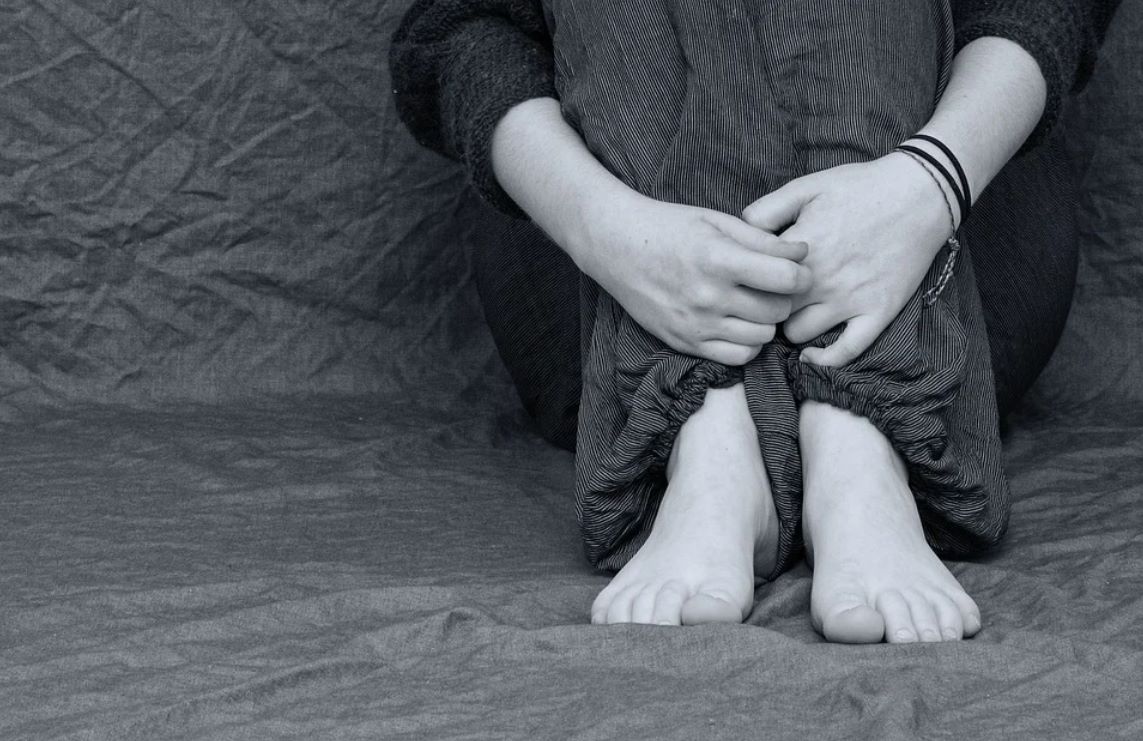
If you are concerned that someone you care about may be experiencing bulimia, have an open and honest talk with them about your concerns. While you can't force someone to go to the doctor, you can support them as they make that choice on their own. You may help them find a qualified medical specialist or mental health care provider, set up an appointment, and even tag along.
This article will help you make a decision about Rehab Treatment Melbourne fees for different treatments.
Most people with bulimia are of normal or slightly overweight weight, making it difficult for others to notice that there is a problem. The following are some red flags that loved ones may notice:
- It was a constant preoccupation of mine and a source of constant whining: my weight.
- A distorted and harsh appraisal of one's physical appearance Frequent and excessive consumption of food at one sitting, especially of items that the person normally avoids.
- After my binge, I was embarrassed to eat in front of others and decided to cut out all food groups or try fasting till I felt better.
- Urinary urgency before, during, or for a considerable period after eating.
- Too much exercise
- Having knuckle or hand damage such as blisters, scars, or calluses
- Experiencing any kind of damage to one's teeth and gums
- Making a change in one's weight
- Hand and foot swelling are symptoms.
- The face and cheeks swell as a result of the enlarged glands.
How Is Bulimia Nervosa Diagnosed?
Your doctor will do a complete physical examination and evaluate your medical records. They will enquire as to the specifics of your diet, such as the foods you eat and the quantities you take in. The doctor will enquire as to the regularity of the patient's episodes of binge eating and purging, as well as their use of laxatives, diuretics, fasting, and exercise. The doctor will also enquire about a personal or family history of eating disorders, substance abuse, or mental health concerns (suicidal thoughts).
Although there is no single laboratory test that can be used to diagnose bulimia, a clinician may utilise laboratory values (a blood test) in conjunction with other diagnostic tools to assess the severity of the disease and its effects on the body's systems. Electrocardiograms (ECGs) are a common diagnostic tool for conditions like chest pain, abnormal heart rhythm, rapid heart rate, and fluttering of the heart.
The symptoms of bulimia nervosa can be identified by the treating physician if they match the following criteria:
- Does the person frequently have binge eating episodes? Binge eating occurs when a person eats more food in a shorter amount of time than the average person would eat under the same settings.
- During an episode, does the person feel that they have no control over their eating, either in terms of what they eat or how much they eat?
- Does the person self-induced vomit, overuse laxatives, diuretics, or other drugs, fast excessively, or overdo exercise in an effort to keep their weight down?
- During the previous three months, have you binged and then purged at least once a week?
- Does the individual's self-perception suffer because of their weight or physical type?
Subclinical bulimia nervosa is a risk factor for developing full-blown bulimia nervosa if all the criteria are satisfied but the bingeing and purging behaviours have not been ongoing for at least three months on a weekly basis. Nonetheless, as of this writing, the deadline has not been met.
Important Considerations Regarding Bulimia
- Bulimia is one type of eating disorder. There are periods of binge eating that inevitably contribute to weight increase (called bingeing). The next step is purging, which might include acts such as forcing oneself to vomit or using laxatives incorrectly.
- Teenage girls are particularly at risk for developing bulimia. However, males are just as susceptible to it. Societal and cultural norms have a role, since they tend to judge people favourably or negatively depending on their physical appearance. Indeed, genetics has a role as well.
- Those who suffer from bulimia often conceal their condition.
- It is common practise to treat bulimia with both individual therapy and family counselling. The key goals of this intervention are behaviour modification and nutritional restoration.
- Possible side effects include renal and heart problems, oesophageal inflammation, and tooth decay.